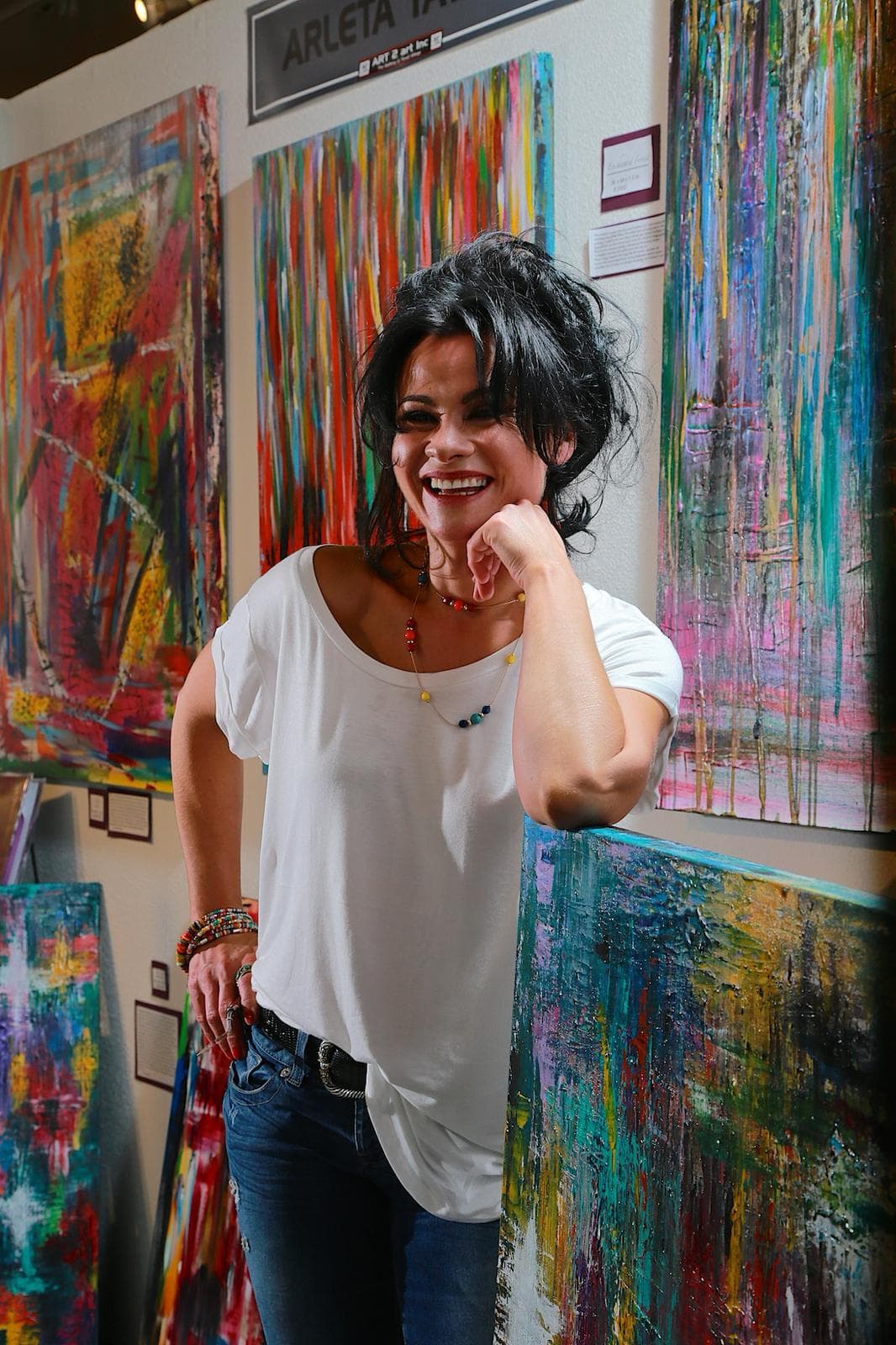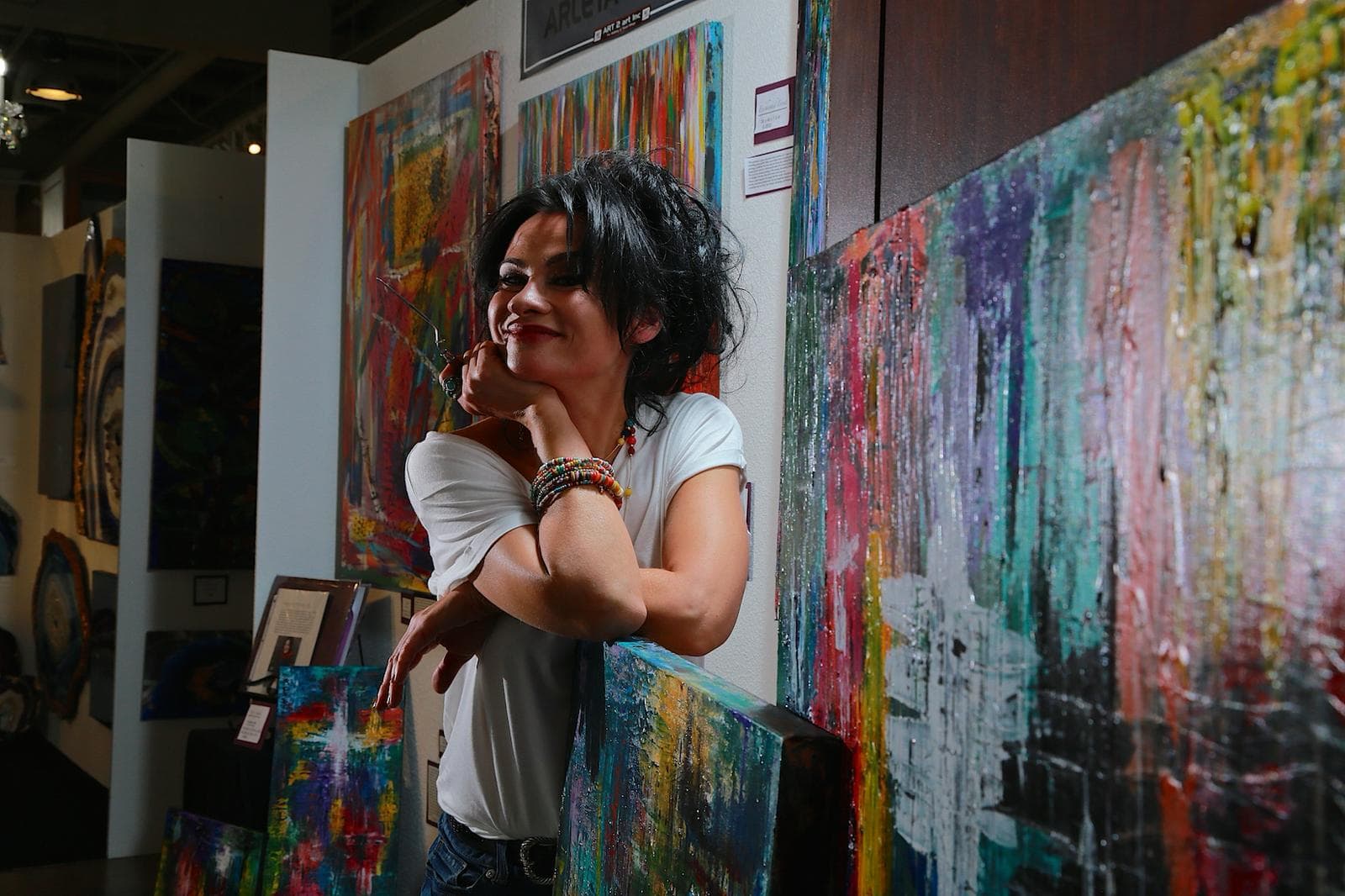
"To use my eyes today to create paintings is something I never take for granted. I paint not just because I can see — but because seeing itself feels like a gift." — Arleta Taylor · Waco/Austin, Texas
Arleta
Taylor
Original Fine Art Catalog
Available Artwork

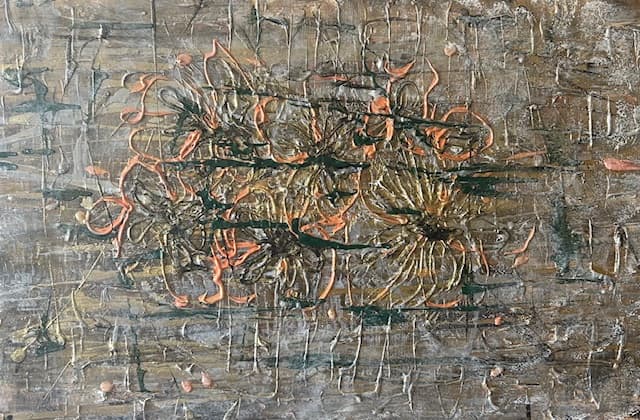
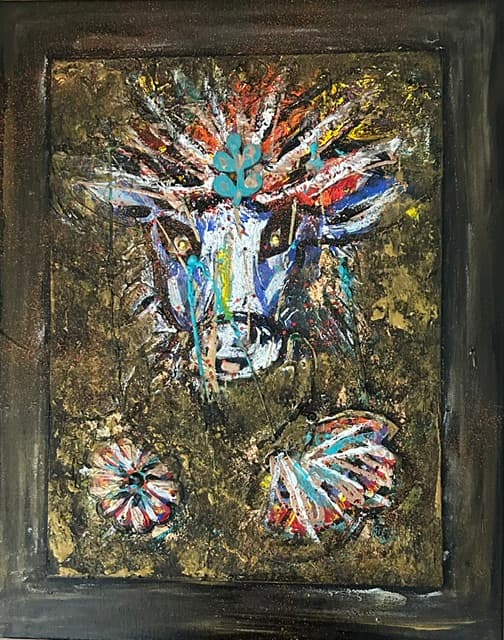
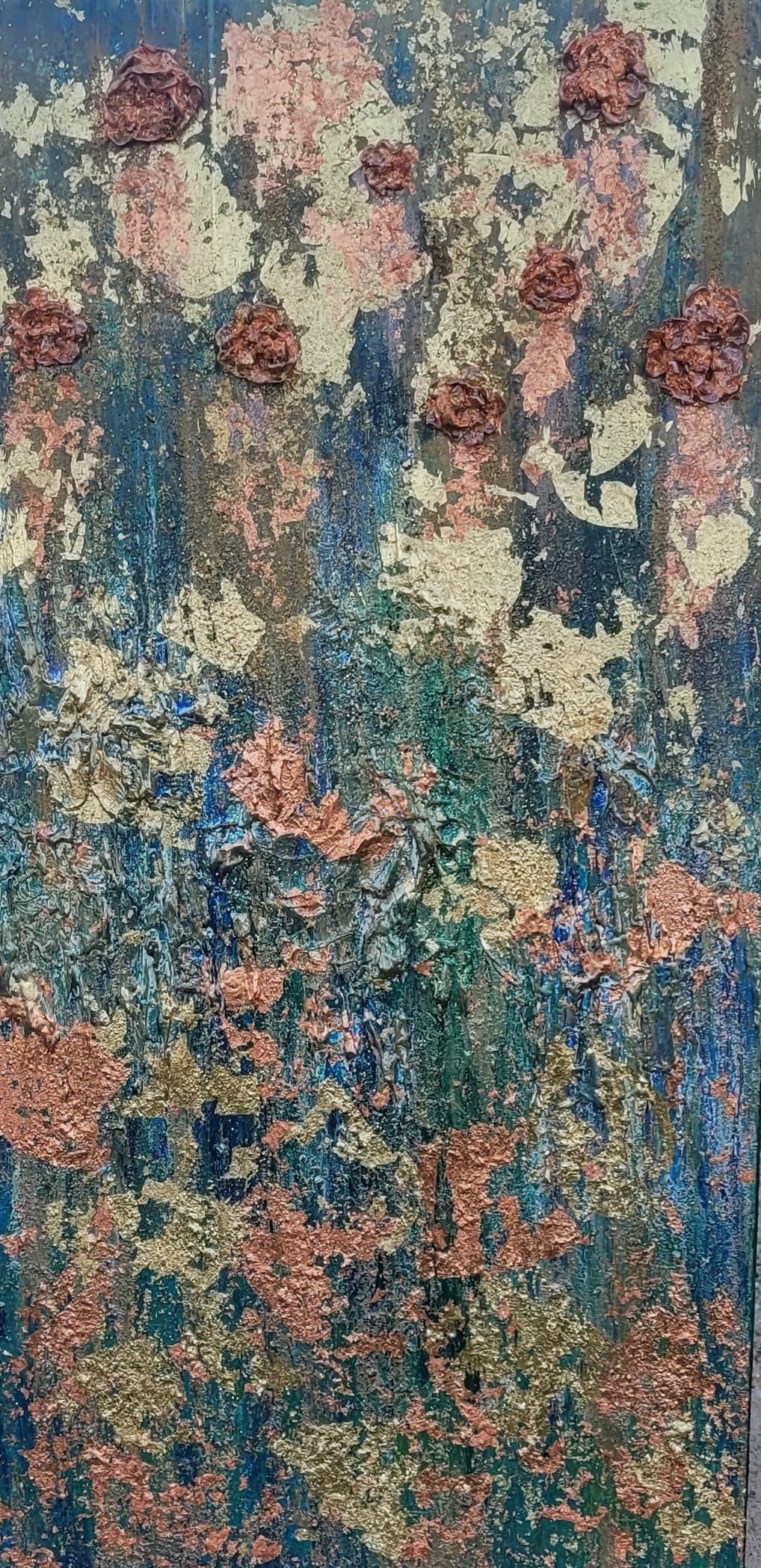
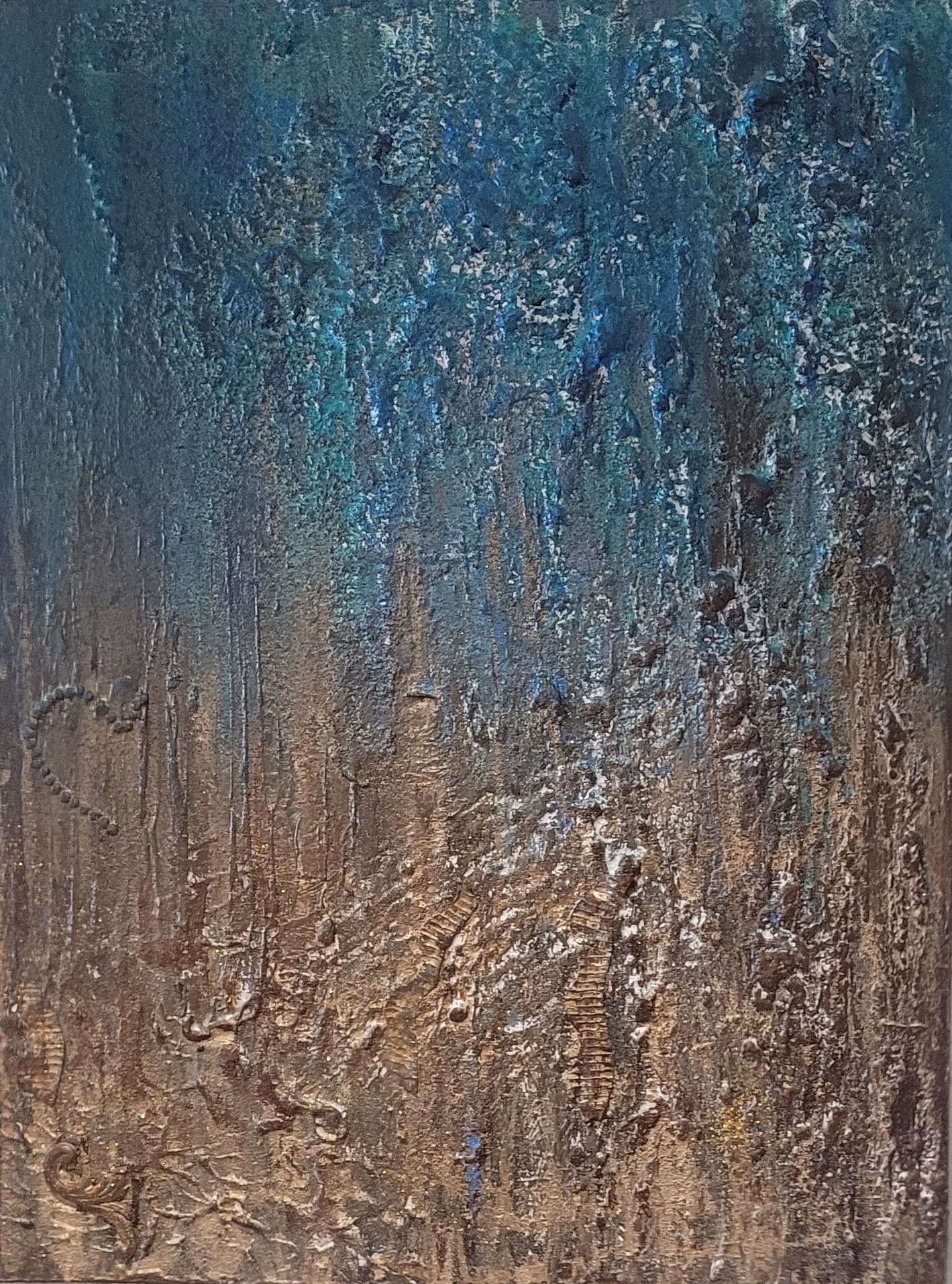

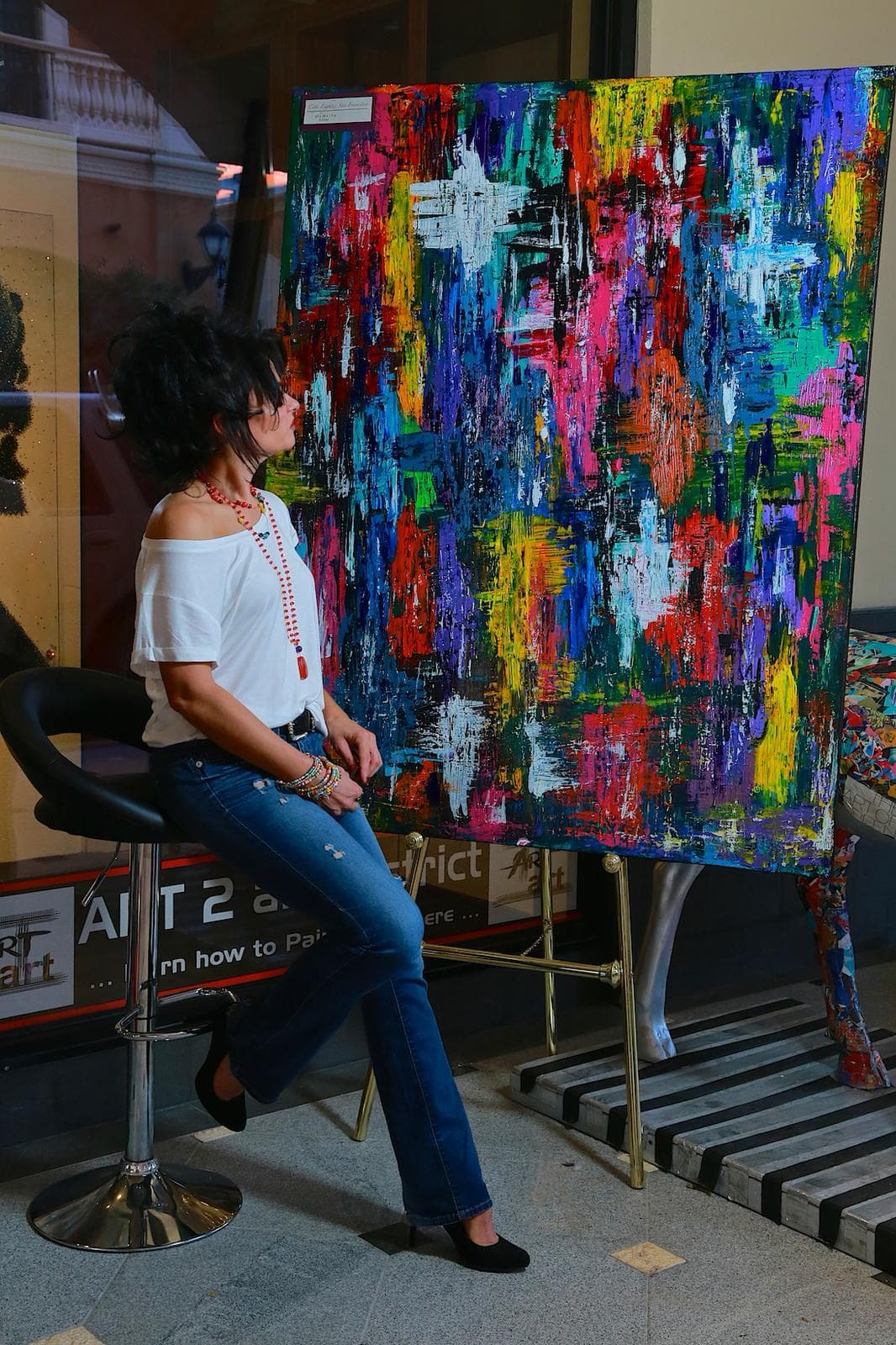
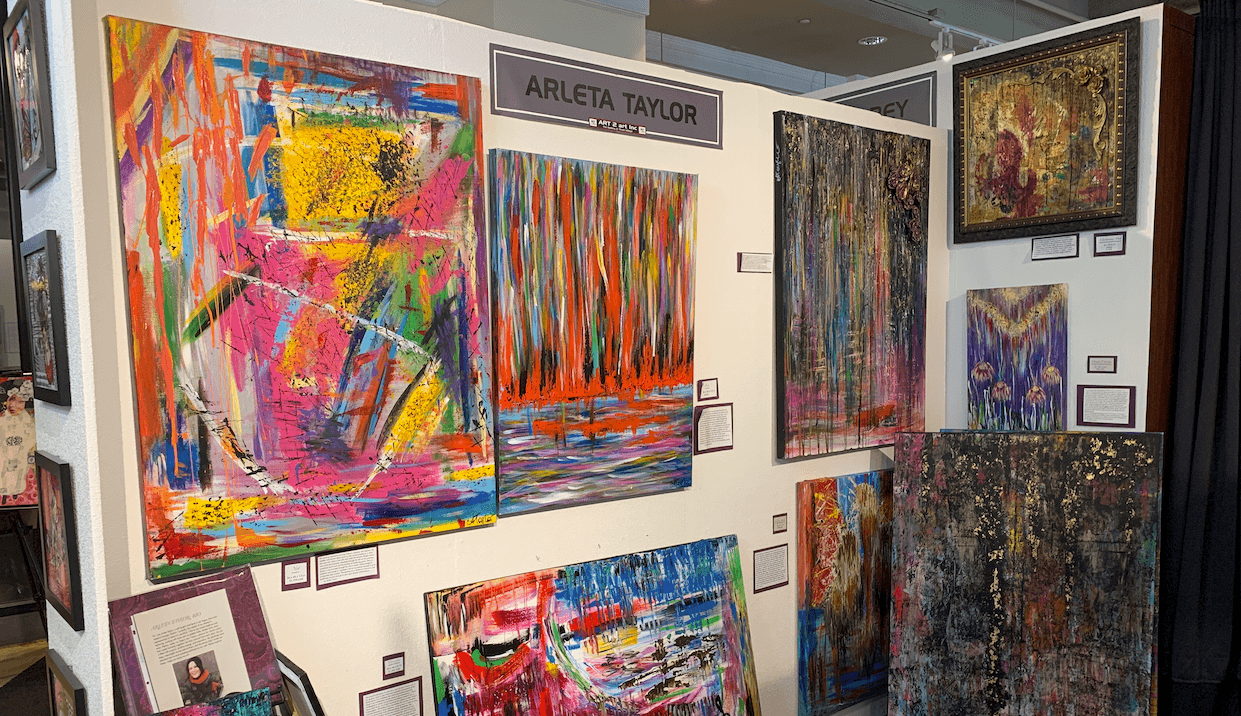
“There is something quietly extraordinary about an artist who came to painting not through training or ambition, but through necessity — through the need to survive something, to find solid ground when everything around her had shifted. Arleta Taylor's story is not one story. It is several — the child who had to fight for the right to see, the immigrant who rebuilt herself from almost nothing, the woman who found art in the middle of her darkest period. Each of those chapters lives in her work: in the layered surfaces, the colliding colors, the textures you want to reach out and touch. Her paintings do not shout. They accumulate. Layer after layer, color into color, until something emerges that is bigger than any single emotion — something that reads, unmistakably, as a life fully lived and not given up on. Arleta Taylor is not painting about abstraction. She is painting about everything it cost to still be here.”
— Arleta Taylor
The Process
Inside the Studio
THE PAINTING PROCESS
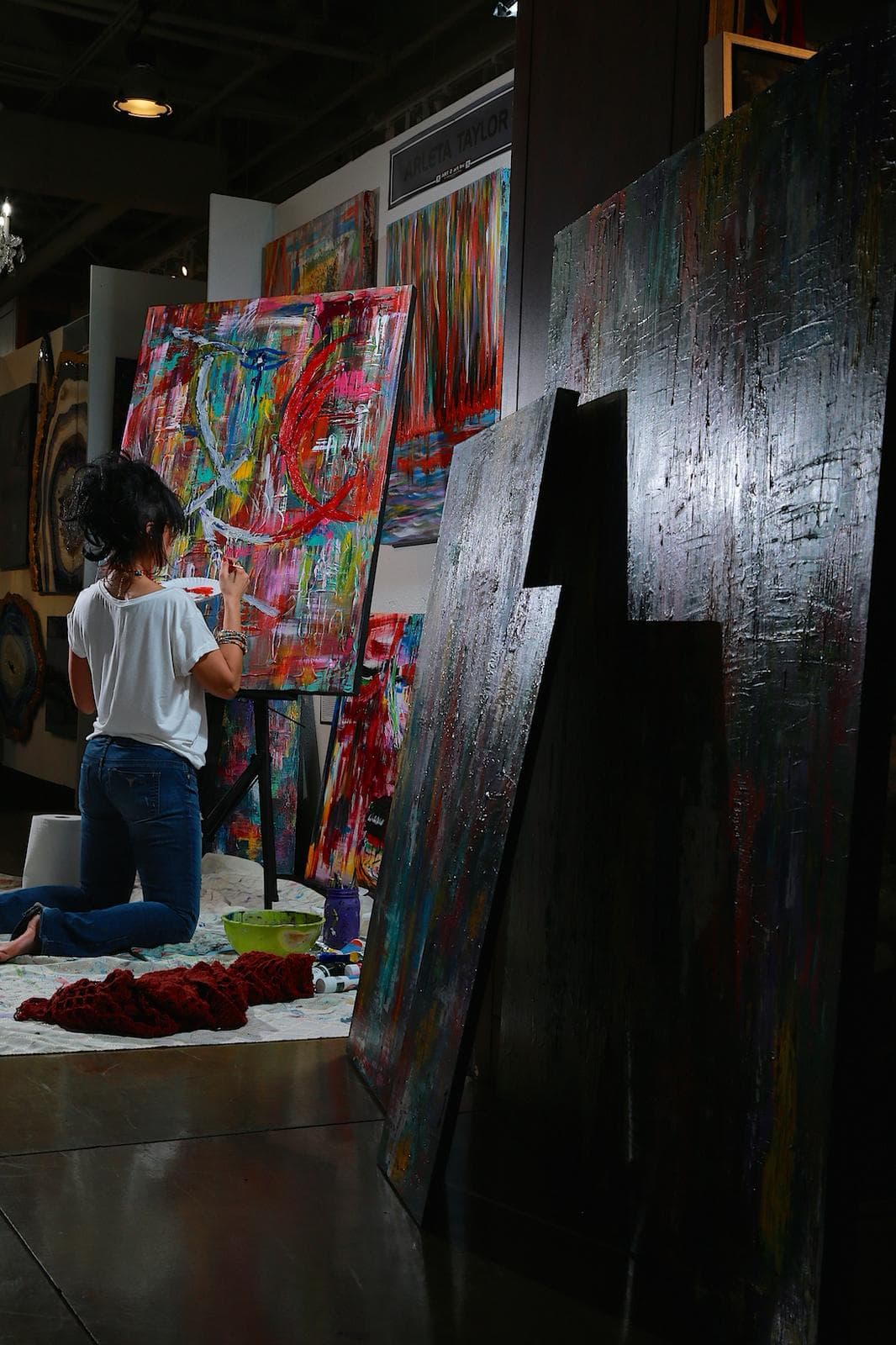
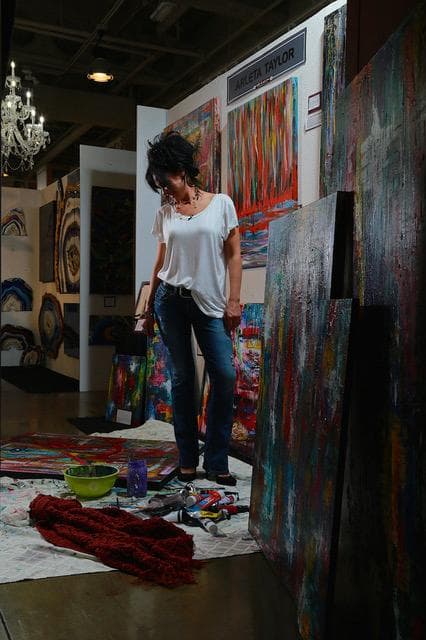
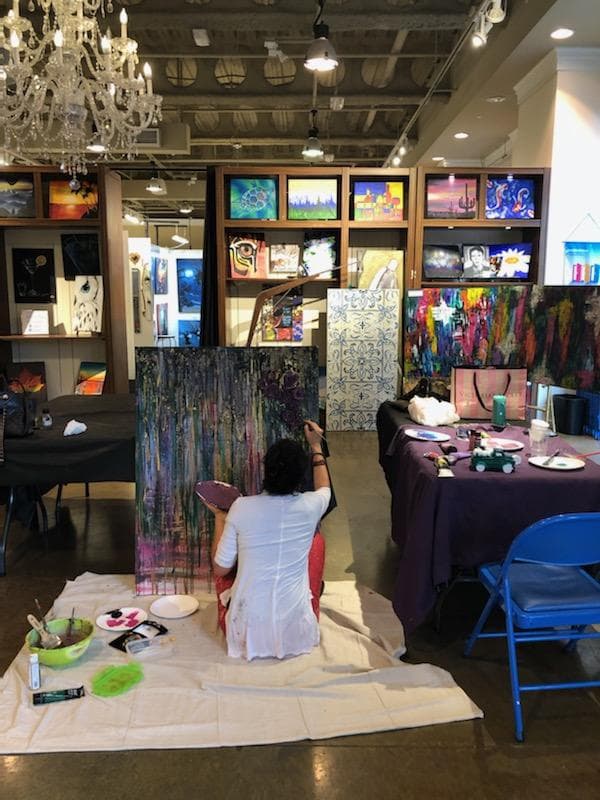
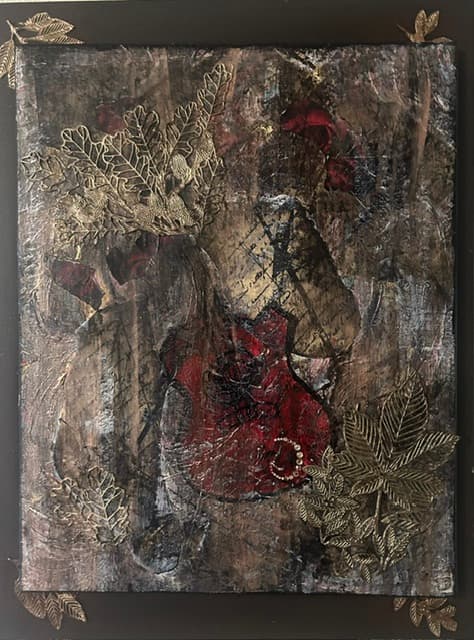
Arleta Taylor works directly, physically, and intuitively. Her primary tool is her own hands — fingertips pressing paint into canvas, creating surfaces that carry the warmth and immediacy of human touch. She also works with palette knives and spatulas, building up multiple layers that give her paintings their characteristic depth and texture — surfaces that seem to hold light rather than simply reflect it. Her process is rooted in sensation as much as vision. Where many painters step back to evaluate, Arleta moves closer — feeling the texture develop beneath her hands, letting the painting grow through contact and instinct. The result is work that glitters with gloss and metallic sheen, with built-up surfaces that reward close inspection. Alongside her tactile approach, Arleta draws from a rich inner vocabulary — mythology, art history, symbolism, spirituality, and the emotional residue of her own lived experience. She is particularly drawn to the tension between Baroque richness and contemporary abstraction, merging embellishment and rawness, the ornate and the immediate, within a single canvas. At the heart of every piece is a single guiding impulse: the search for light within darkness.